The Silent Alarms: What I Ignored a Month Before My Massive Heart Attack

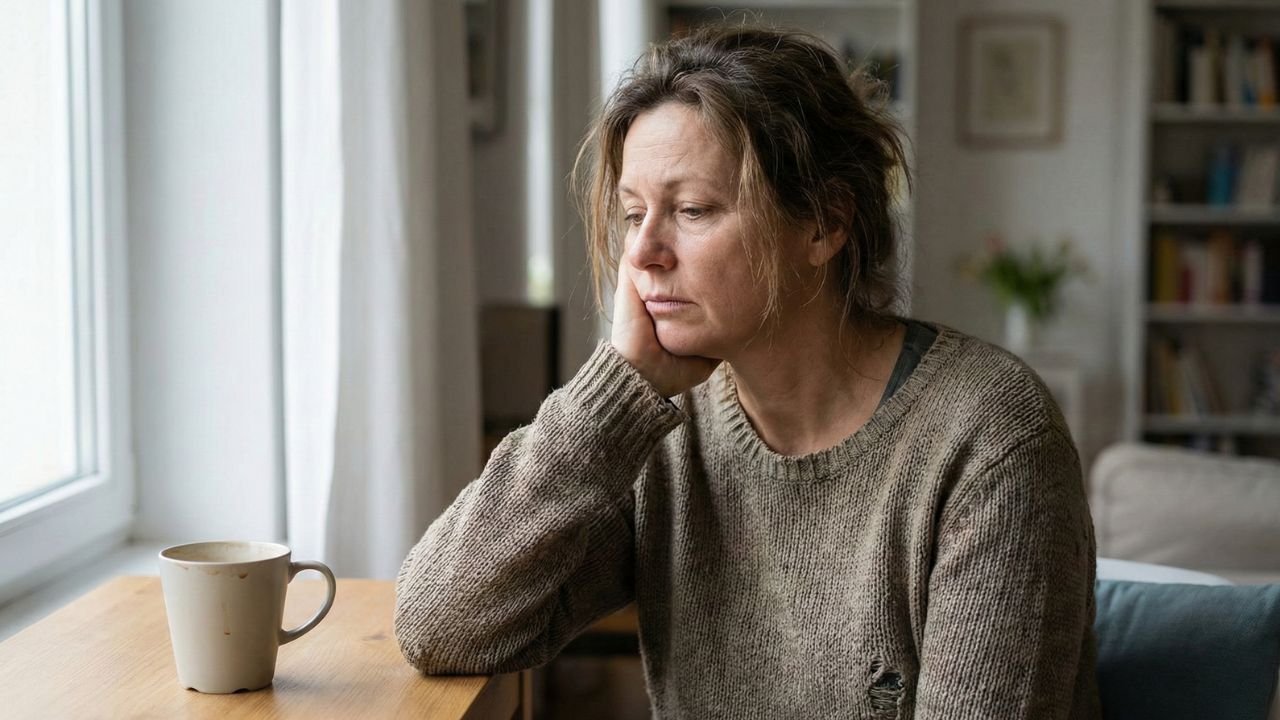
I ignored every single warning sign my body was sending me for three straight weeks before I had a massive heart attack. I was only 47 years old.
At the time, I thought only movie stars who clutched their chests and fell over in a heap had heart attacks. I had no idea that my body was already sending out distress signals. I wrote them off as stress, bad indigestion, or just the normal aches and pains of getting older.
Ignored fatigue that wouldn’t go away, no matter how much I slept. I attributed my jaw pain to grinding my teeth at night. I popped antacids for indigestion that simply wouldn’t go away. Also ignored the shortness of breath that hit me when climbing stairs I used to take with ease.
I ignored all of it—until I collapsed in my driveway.
The Truth About Heart Attack Warning Signs
The truth is, your body will often send out distress signals a month or so before a major cardiac event. Unfortunately, most of us brush them off. We push through. We don’t want to make a fuss.
Based on my experience and what I’ve learned since, here are the actual symptoms that can show up weeks before an attack:
- Severe, inexplicable fatigue: This is particularly common in women. Your heart is struggling and working overtime to pump blood effectively.
- Difficulty breathing: If ordinary tasks leave you winded, it means your heart isn’t delivering adequate oxygen to your body.
- Periodic chest pain: Often dismissed as simple heartburn or acid reflux.
- Radiating pain: Aching or tightness that spreads to the jaw, neck, shoulder, or arm.
- Cold sweats: Breaking into a sweat without any physical exertion or apparent reason.
- Nausea and gastrointestinal issues: An upset stomach that seems entirely out of the blue.
- Dizziness or lightheadedness: Feeling faint or unsteady on your feet.
- Irregular heartbeats or palpitations: A feeling that your heart is fluttering or skipping a beat.
My Wake-Up Call and Life After
Surviving that day changed everything. In the aftermath, I sought out resources to help me understand how to protect myself, especially in situations where immediate medical help might not be readily available. I found a guide focused on survival and natural health that opened my eyes to identifying key health alerts and using lifestyle changes to support heart health.
By learning these symptoms and completely overhauling my lifestyle, I’ve been able to take control of my heart disease.
Today, my approach to my health is entirely different:
- I no longer push through symptoms. Persistent fatigue is taken seriously as a potential heart problem, not just a busy week.
- I act fast. If I experience inexplicable shortness of breath or chest pain, I seek immediate medical care.
- I track my vitals. I keep a close eye on my blood pressure and cholesterol levels.
- I eat for my heart. I support my cardiovascular health through healthy eating every single day, rather than waiting for an emergency to force my hand.
Your body always gives you a warning before a big event. The question is: are you listening, or are you waiting until it’s catastrophically too late?
Disclaimer: I am sharing my personal story to raise awareness. I am not a doctor. If you are experiencing any of these symptoms, do not rely solely on natural remedies or wait to see if they pass. Please seek professional medical attention immediately.