
Guide to Getting Your Anmeldung in Berlin (2026 Update)

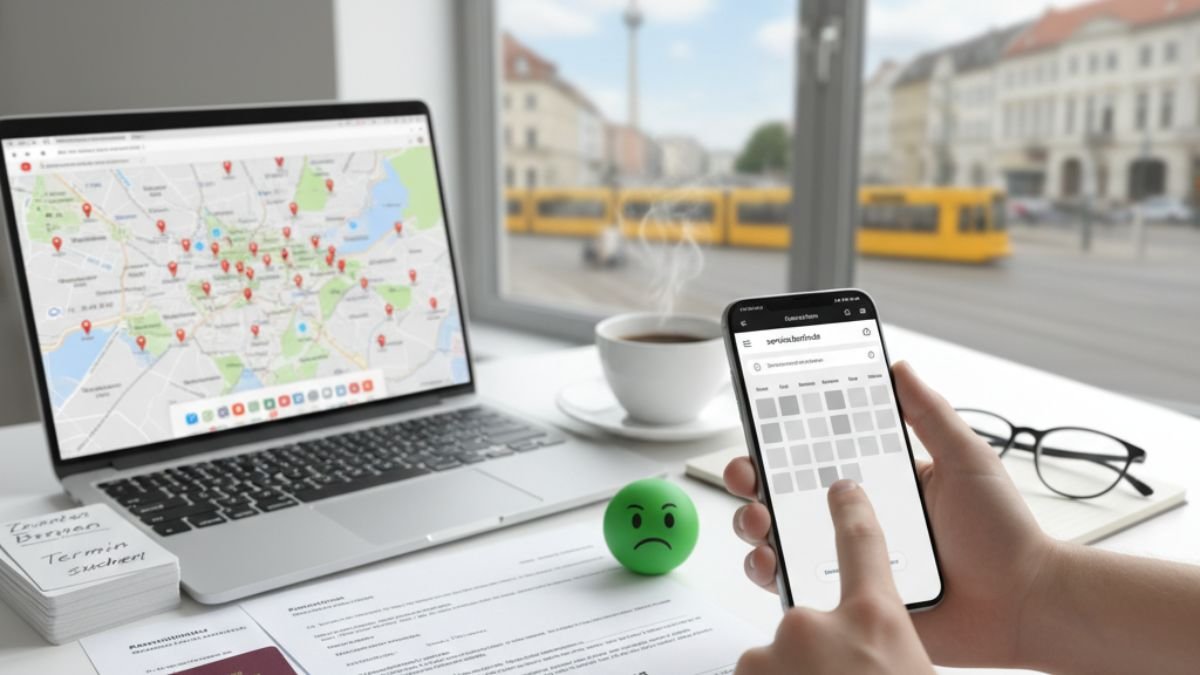
Welcome to Berlin! You’ve found a flat and survived the move, but now it’s time for the most infamous rite of passage: the Anmeldung.
In 2026, Berlin’s bureaucracy is finally leaning into digital solutions, but for most newcomers, the process still requires a physical visit to a Bürgeramt. This guide covers the latest 2026 requirements and the “pro-tips” for navigating the updated booking system.
Getting your address registered is your official key to life in Germany. Without that precious piece of paper, the Anmeldebestätigung, you can’t open a proper bank account, get a tax ID (Steueridentifikationsnummer), or sign up for many phone or internet contracts.
The process, especially booking an appointment, has a reputation for being difficult. But don’t worry. This guide will walk you through every step, updated for 2026, to make it as painless as possible.
To book an Anmeldung (address registration) appointment in Berlin, you must use the official Berlin Service Portal or call the 115 hotline. Due to high demand, appointments can be difficult to find, but new slots are released regularly, often in the early morning.
Step 1: Gather Your Documents (The Essentials)
In 2026, officials have become stricter about digital vs. paper copies. Always bring physical printouts. You will need:
- Valid ID: Your passport or EU national identity card.
- The Registration Form (Anmeldeformular): Available via the Berlin Service Portal. You can download the official form here.
Note: Even if you use an English translation to understand it, the version you sign and submit must be the German original. - Landlord Confirmation (Wohnungsgeberbestätigung): This is non-negotiable. A rental contract is not valid for registration. Your landlord is legally required to provide this within two weeks of your move-in. You can find a template for your landlord here.
- Civil Status Documents: If you are registering as a family, bring original marriage and birth certificates. In 2026, most offices require certified German translations if the originals aren’t in German or English.
- For Non-EU Citizens: Your current visa or residence permit (Aufenthaltstitel).
Pro-Tip on Religion: For the “Religionsgesellschaft” section, leave it blank or write “OA” (Ohne Angabe) unless you wish to pay the German church tax (approx. 8-9% of your income tax).
Step 2: Booking an Appointment (The 2026 Strategy)
This is the biggest hurdle. Here are your options, from most to least likely to succeed.
Method 1: The “Berlin-Wide” Search (Online)
- Visit the Berlin Service Portal.
- Select “Termin berlinweit suchen” (Search Berlin-wide). Do not restrict yourself to your local neighborhood; an appointment in Spandau is just as valid as one in Mitte.
- The 2026 Refresh: New slots are released in batches at 8:00 AM, 10:00 AM, and 1:00 PM sharp.
Method 2: The 115 Hotline
If the website is “frozen,” call 115. In 2026, the hotline staff often have access to “emergency slots” or cancellations that don’t immediately appear on the public web interface.
Method 3: The Digital “Emergency” Form
Some districts now offer a digital contact form on their specific Bürgeramt page. If you cannot find an appointment within 4 weeks and your visa is expiring, use this form to request an appointment. This creates a digital paper trail proving you tried to comply with the law.
Step 3: At the Bürgeramt (Your Appointment)
You have your documents and your appointment. Here’s what to do on the day.
- Arrival: Show up 10 minutes early. Look for your Vorgangsnummer (ticket number) on the digital waiting room screens.
- The Language Barrier: While Berlin is international, the official language is German. In 2026, most officials are comfortable with you using a live-translation app on your phone if you get stuck.
- The Result: You will walk out with your Meldebescheinigung (Registration Certificate). This is your most important document in Germany. Scan it immediately and keep the original safe.
Step 4: What Happens Next?
Once registered, the German machine starts moving automatically:
- Tax ID (Steueridentifikationsnummer): This arrives by post within 2–4 weeks. You need this for your employer.
- BundID: In 2026, it is highly recommended to use your registration to set up a BundID (Federal ID). This allows you to handle future administrative tasks—like applying for a driver’s license or student benefits—entirely online.
- Broadcasting Fee (Rundfunkbeitrag): You will receive a letter asking for the mandatory €18.36 monthly fee per household.
Frequently Asked Questions (FAQ)
Only if you are moving within Germany and have a German ID card with an activated eID chip. If you are arriving from abroad for the first time, you must appear in person for identity verification.
As of 2026, Berlin authorities remain lenient due to the high volume of residents. As long as you have an appointment confirmation (even if the date is in the future), you will not be fined.
This usually means the sublet is illegal. Without the Wohnungsgeberbestätigung, you cannot register. This will block you from getting a Tax ID and a bank account. Always confirm this document is available before signing a lease!
Once you have that Anmeldebestätigung in hand, give yourself a pat on the back and go enjoy a well-deserved celebratory drink. You’ve earned it!
If you’re looking for more blog like How to Register Your Address in Germany (Anmeldung) and The Anmeldung Explained: Germany’s Most Important First Step for Newcomers subscribe to join us.