Neuschwanstein Castle Visit Guide

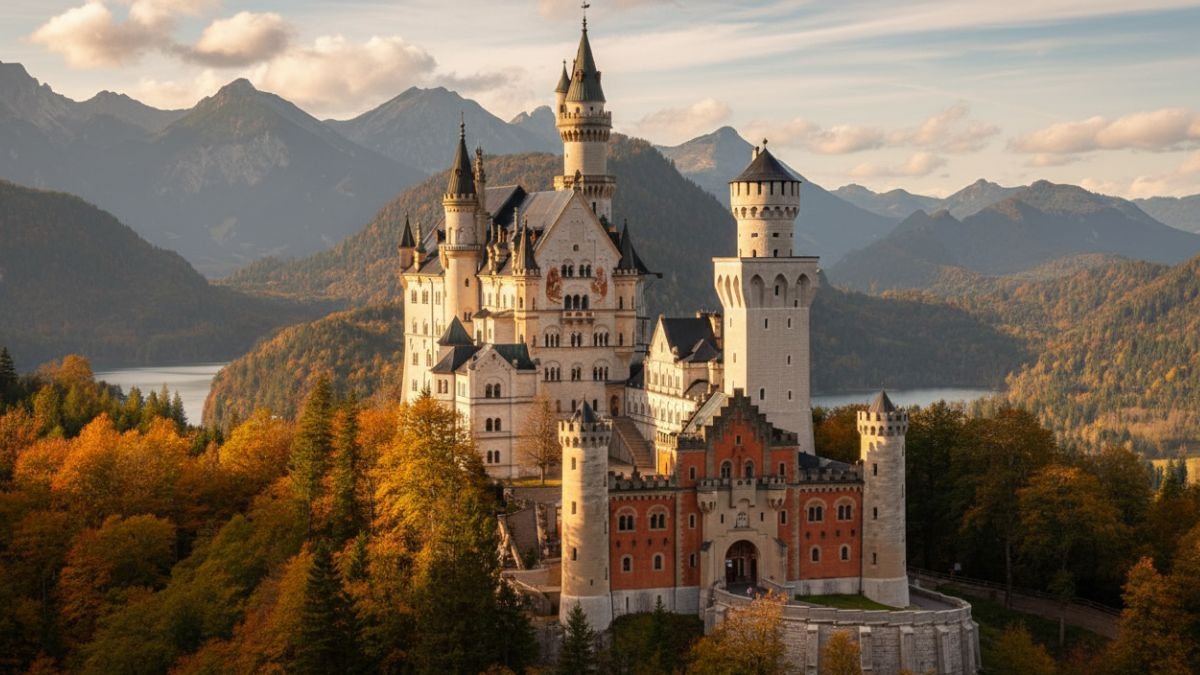
Neuschwanstein Castle is a true architectural marvel and one of Germany’s most iconic landmarks. It is a 19th-century, hilltop fortress built for King Ludwig II in Bavaria, Germany. The so-called “fairytale castle” was the inspiration for Disneyland’s Sleeping Beauty Castle and is famous for its intricate architecture and stunning alpine surroundings.
Location & Access
- Where is it? – Neuschwanstein Castle is in Hohenschwangau, near Füssen, Bavaria, about 120 km southwest of Munich.
- How to get there:
- By train: Munich → Füssen (approx. 2 hours), then bus/taxi to Hohenschwangau.
- By car: About 2 hours from Munich; parking available in Hohenschwangau village.
- Shuttle buses run from the ticket center to near the castle (still requires a short uphill walk).
Tickets & Tours
- Where to buy: From Hohenschwangau Ticket Center or online in advance.
- Cost: Around €17.50 for adults (combined tickets with other Ludwig castles available).
- Guided tours: Entry is only possible via timed guided tours (about 30 minutes).
- Tip: Book early—tickets often sell out weeks ahead, especially in summer.
Best Time to Visit
- Seasonal highlights:
- Spring: Blooming landscapes, fewer crowds.
- Summer: Peak season, long days, but busiest.
- Autumn: Stunning foliage, moderate crowds.
- Winter: Snow adds a magical touch, but some paths may be icy.
- Time of day: Morning or late afternoon for fewer crowds and softer light for photos.
Best Viewpoints
- Marienbrücke (Mary’s Bridge): The most famous viewpoint overlooking the castle.
- Alpine trails: Hiking paths around the castle offer panoramic views.
- Village of Hohenschwangau: Lovely angles from below with the Alps as backdrop.
Neuschwanstein Castle’s Attractions
Main attractions of Neuschwanstein Castle that make it such a fairytale destination:
Inside the Castle
- Throne Room – A grand hall inspired by Byzantine architecture, with mosaics, marble columns, and a magnificent chandelier.
- Singer’s Hall – Designed for musical performances, richly decorated with murals of medieval legends.
- King’s Bedroom – Lavishly carved oak furnishings and murals depicting Wagner’s operas.
- Grotto – An artificial cave built inside the castle, reflecting Ludwig II’s love of fantasy.
- Modern Innovations – Surprisingly advanced for the 19th century: running water, flushing toilets, and central heating.
Outside & Surroundings
- Marienbrücke (Mary’s Bridge) – Famous viewpoint offering the best panoramic photos of the castle.
- Alpsee Lake – A scenic lake nearby, perfect for walks and boat rides.
- Hohenschwangau Castle – Ludwig II’s childhood home, located just across the valley.
- Alpine Hiking Trails – Paths around the castle provide breathtaking views of the Bavarian Alps.
Quick Tip for Travelers
If you want the full experience, combine your visit to Neuschwanstein with Hohenschwangau Castle and a hike to Marienbrücke. This way, you’ll see both Ludwig’s childhood home and his dreamlike creation, plus enjoy the best views.
Cultural & Historical Appeal
- Built by King Ludwig II of Bavaria as a tribute to composer Richard Wagner and medieval legends.
- Only about one-third of the planned rooms were completed before Ludwig’s death, adding to its mystique.
- Served as the inspiration for Disney’s Sleeping Beauty Castle, making it a global symbol of fairy tales.
Where to Stay
- Nearby options:
- Füssen (charming Bavarian town, 10 minutes away).
- Hohenschwangau village (closest, but limited options).
- Munich (for day trips).
Private vehicles are not allowed to drive to the castle itself.
- From Füssen: From the Füssen train station, take bus 73 or 78 to Hohenschwangau.
- From Hohenschwangau to the castle: From the ticket center in Hohenschwangau, you have three options to get up the steep hill to the castle entrance:
- Walk: The walk takes approximately 30–40 minutes uphill.
- Shuttle bus: A shuttle bus runs frequently to a viewpoint near the Marienbrücke bridge. From there, it is a 10–15 minute walk downhill to the castle. Limited bus service in winter, especially during snow and ice.
- Horse-drawn carriage: Carriages run throughout the year, dropping passengers about 10–15 minutes uphill from the castle entrance.
Food & Dining
- Restaurants and cafés in Hohenschwangau village serve Bavarian specialties like schnitzel, pretzels, and beer.
- Pack snacks if hiking, as options near the castle itself are limited.
Visitor information
- Operating hours: The castle is open daily. From April to mid-October, hours are 9 a.m. to 6 p.m., and from mid-October to March, hours are 10 a.m. to 4 p.m..
- Best time to visit: The castle receives about 1.5 million visitors annually and sells a limited number of tickets each day. To avoid long waits and large crowds, it is best to visit early in the morning or later in the afternoon.
- Tickets: Tickets for castle tours can be purchased online in advance and are timed for entry. Tickets for specific tour slots can sell out early, especially during peak seasons, so advance booking is highly recommended.
- Prices: As of April 2025, regular adult tickets cost €21. There are reduced-price tickets for certain groups, and children under 18 enter for free.
- Guided tours: All visits to the castle interior are conducted as mandatory guided tours with limited capacity. The tour lasts about 30 minutes.
- Tours are offered in German and English, with audio guides available in many other languages.
- No photos: Photography and filming are prohibited inside the castle.
Accessibility
- Reduced mobility: Visitors with reduced mobility should book their tickets in advance with the ticket center.
- Elevator access: The castle has an elevator to accommodate wheelchair users and visitors with reduced mobility. However, only one wheelchair or walker user is allowed per tour for fire and safety reasons.
- Steep terrain: The path from the shuttle bus stop to the castle entrance is very steep and may be challenging for visitors with limited mobility.
Practical Tips
- Wear comfortable shoes—the walk uphill is steep.
- Allow at least half a day for the visit (castle + viewpoints + village).
- Photography inside the castle is not allowed.
- Combine with nearby attractions: Hohenschwangau Castle (where Ludwig grew up) and Alpsee Lake.
If you’re looking for more Germany travel blog like Hohenschwangau Castle Visit Guide and Marienbrücke (Queen Mary’s Bridge) Visit Guide subscribe to join us.